
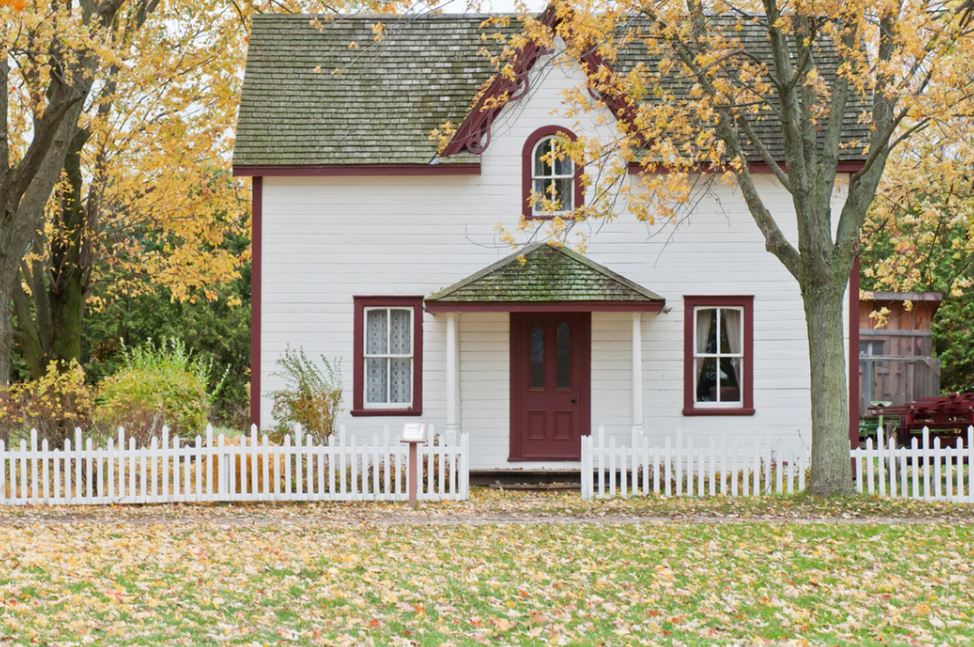
Many property owners use the terms “apartment insurance” and “rental property insurance” interchangeably.
While both provide protection for investment properties, there are often important differences between insuring a small rental property and insuring a larger apartment building or apartment portfolio.
Whether you own a single duplex, several rental homes, or a multi-building apartment complex, understanding these differences can help ensure your property is properly protected.
What Is Rental Property Insurance?
Rental property insurance, often referred to as lessor’s risk insurance or dwelling coverage, is commonly used for:
- Single-family rental homes
- Duplexes
- Triplexes
- Quadplexes
These policies are designed to help protect property owners against:
- Property damage
- Liability claims
- Loss of rental income (if endorsed)
- Certain covered losses such as fire, wind, and theft
Many smaller landlords utilize these types of policies to protect their rental investments.
What Is Apartment Building Insurance?
Apartment insurance is typically designed for larger multi-family properties.
Examples may include:
- Apartment buildings
- Multi-building apartment complexes
- Larger habitational properties
- Apartment portfolios
These properties often have different exposures than smaller rental homes due to:
- More tenants
- Larger building values
- Shared common areas
- Increased liability exposure
- Additional maintenance responsibilities
Because of these factors, apartment insurance is often structured differently than a standard rental property policy.
Liability Exposure Often Increases
One of the biggest differences between a rental home and an apartment complex is liability exposure.
Apartment owners may have responsibility for:
- Parking lots
- Sidewalks
- Common areas
- Stairways
- Exterior lighting
- Shared recreational spaces
With more tenants and visitors on the property, there are often more opportunities for liability claims to occur.
This is one reason many apartment owners review higher liability limits and commercial umbrella coverage.
Property Values and Replacement Costs Matter
Apartment buildings often represent significantly larger property values than a typical rental home.
Factors that can impact insurance include:
- Number of units
- Building age
- Roof condition
- Electrical systems
- Plumbing systems
- HVAC systems
- Construction type
Properly calculating replacement cost becomes increasingly important as properties grow in size and complexity.
Older Apartment Buildings Can Be More Challenging
One trend we’re seeing throughout the insurance market is increased scrutiny on older properties.
Insurance carriers often review:
- Roof age
- Electrical updates
- Plumbing updates
- Heating systems
- Prior claims history
Buildings that have received updates may have more carrier options available than properties with deferred maintenance.
Multi-Property Portfolios Require Additional Planning
Many investors own more than one property.
This may include:
- Several rental homes
- Multiple duplexes
- Multiple apartment buildings
- Mixed property portfolios
As portfolios grow, insurance can become more complex.
Owners should review:
- Property schedules
- Liability limits
- Umbrella coverage
- Vacancy exposure
- Building valuations
A portfolio that started with a few rentals may eventually require a much different insurance structure.
Umbrella Coverage for Property Owners
As property ownership grows, so does liability exposure.
Many apartment owners and landlords review Commercial Umbrella Insurance to help provide additional liability protection above underlying policies.
This can become especially important for:
- Larger apartment buildings
- Multiple properties
- Higher tenant counts
- Properties with common areas
One large liability claim can exceed underlying policy limits much faster than many property owners realize.
Why Insurance Reviews Matter
Many property owners only review insurance when a renewal arrives.
However, properties change over time.
Renovations are completed.
Buildings are updated.
Property values increase.
Additional properties are acquired.
Regular reviews can help ensure your coverage keeps pace with your investment portfolio.
Looking for Apartment Insurance?
Whether you own:
- A duplex, triplex, or quadplex
- A single apartment building
- Multiple apartment buildings
- A larger multi-property portfolio
having the right insurance structure is important.
Coverage considerations may include:
- Property coverage
- General Liability coverage
- Loss of rental income
- Commercial Umbrella coverage
- Vacancy exposure
- Portfolio scheduling
To learn more about apartment building and multi-family insurance options, visit our Apartment Insurance page.
There you’ll find additional information about coverage options for apartment buildings, apartment complexes, and rental property portfolios throughout Kentucky, Ohio, and West Virginia.
How We Help
At Sharp Insurance & Financial Services, we help property owners across:
Kentucky, Ohio, West Virginia, and surrounding areas
review coverage for:
- Rental homes
- Duplexes, triplexes, and quadplexes
- Apartment buildings
- Apartment complexes
- Multi-property portfolios
- Lessor’s risk properties
We work with multiple carriers and specialty markets to help find solutions for a variety of property types and investment strategies.
Need an Apartment Insurance Review?
Whether you own a single rental property or a larger apartment portfolio, we’re happy to review your current coverage and discuss available options.
📞 606-324-0696
🌐 SharpIFS.com
✉️ ethan@sharpifs.com
Final Thought
While rental property insurance and apartment insurance share some similarities, larger apartment properties often have different risks, coverage needs, and insurance considerations.
As your portfolio grows, your insurance strategy should grow with it.
View the original article here.