
Every day brings new demands — work deadlines, family commitments, financial goals, and social obligations. While a little stress can be motivating, ongoing stress can take a toll on both your physical and mental health if it’s not managed effectively. The good news is that stress relief doesn’t require dramatic lifestyle changes. Small, intentional habits can make a meaningful difference.
Below are simple, practical stress management tools you can start using today to feel healthier and more balanced.
Focus on Your Breath
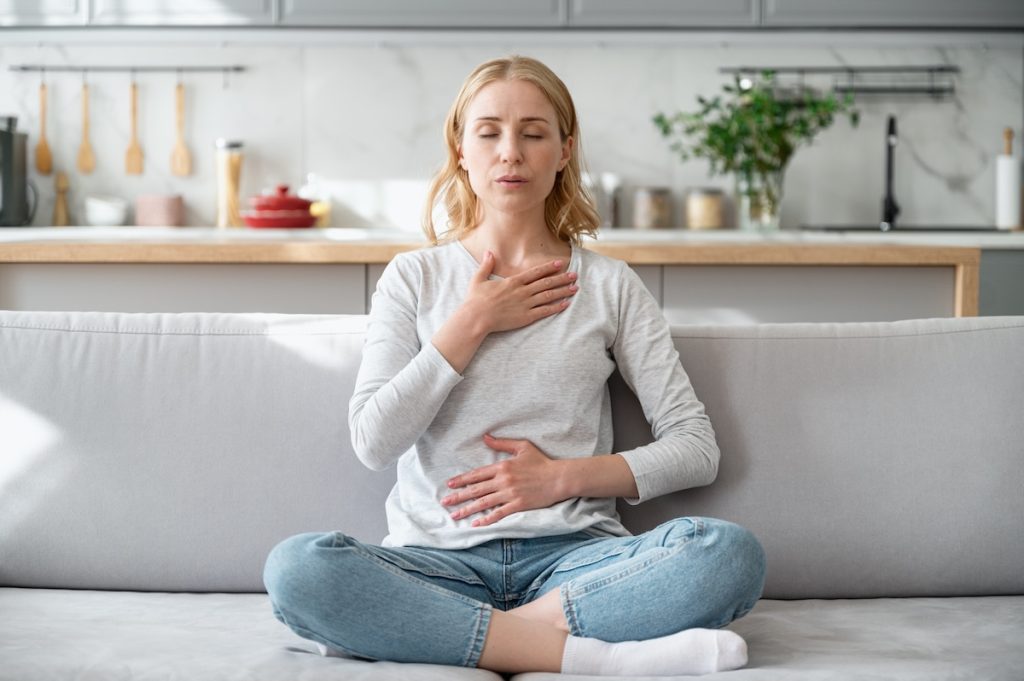
Deep breathing is one of the simplest and most effective ways to calm your body and mind. Taking a few moments to focus on your breath helps slow your heart rate, reduce tension, and bring your attention back to the present moment.
Try setting aside five minutes to sit comfortably and breathe naturally. If your mind wanders, gently guide your focus back to your inhaling and exhaling. There’s no need for perfect technique — consistency matters more than precision.
Move Your Body Daily
Physical movement is a powerful stress reliever. Exercise releases endorphins, which improve mood and help your body release built-up tension. You don’t need an intense workout to see benefits — regular, moderate activity is enough.
A walk outside, light stretching, yoga, biking, or even dancing around your living room can help reset your energy and reduce stress. Aim for movement that feels sustainable and enjoyable.
Stay Connected
Social connection plays an important role in managing stress. Talking things through with someone you trust can help you gain perspective and feel supported during challenging times.
Whether it’s meeting a friend for coffee, calling a family member, or participating in a group activity, meaningful connection reminds you that you don’t have to handle everything on your own.
Manage Your Time with Intention
Stress often increases when tasks feel overwhelming or disorganized. Taking a proactive approach to time management can help you feel more in control of your day.
Breaking larger tasks into smaller steps, prioritizing what truly needs to be done, and setting realistic expectations can reduce unnecessary pressure. Using a planner or digital calendar can also help create structure and clarity.
Make Time to Relax
Relaxation is an essential part of stress management, not a luxury. Techniques that encourage your body to release tension can help counteract the physical effects of stress.
Progressive muscle relaxation involves slowly tensing and relaxing different muscle groups, while guided imagery allows your mind to rest by visualizing a calming place. Even a few minutes of intentional relaxation can help restore balance.
The Bottom Line
Managing stress isn’t about eliminating it completely — it’s about building habits that help you stay grounded and resilient when life feels demanding. Start small by choosing one stress management tool to practice consistently, then add others as they feel manageable.
Over time, these simple actions can support better health, improved focus, and a greater sense of well-being.